

Many homeowners dream of a beautifully designed space, yet they often hesitate at the thought of engaging a Home Interior Designer. It’s a common misconception that professional design services are an exclusive luxury, or that the process is overly complicated. The truth is, bringing in an expert can demystify the entire journey, transforming abstract desires into tangible, functional beauty, and often saving you from costly mistakes.
The real value of a professional lies not just in aesthetic flair, but in their ability to translate your lifestyle, aspirations, and practical needs into a coherent design language. It’s about more than just picking paint colors; it’s about crafting an environment that supports your daily life, enhances well-being, and reflects your personal narrative.
Let’s be candid: the term “interior design” often conjures images of endless fabric swatches and opulent showrooms. While those elements are part of the landscape, a good design professional offers a far more structured, strategic approach. They’re not simply decorators; they’re spatial strategists, project managers, and creative problem-solvers. Their role encompasses everything from conceptual development to final installation, ensuring every detail aligns with the overarching vision and your budget.

Absolutely. Think of it this way: you wouldn’t attempt complex surgery on yourself, nor would you build a house without an architect. While interior design might seem less critical, the financial and emotional costs of getting it wrong can be substantial. A seasoned interior design specialist brings expertise in space planning, lighting design, material selection, and project management. They anticipate challenges, navigate vendor relationships, and often secure trade discounts that can offset a significant portion of their fees. Their insights prevent costly rework, mismatched aesthetics, and non-functional layouts, ultimately safeguarding your investment and delivering a superior result.
What you’re investing in is not just a pretty picture, but a meticulously planned, functional, and durable environment. It’s about creating a space that looks good, feels right, and stands the test of time, both aesthetically and structurally.
Effective collaboration is the cornerstone of any successful design project. It isn’t a passive process where you simply hand over the keys and wait for a reveal. It’s an active partnership, built on clear communication, mutual respect, and a shared vision. Your role as the client is just as critical as the designer’s.
This is where many projects falter. Clients often struggle to articulate what they want beyond vague notions of “modern” or “cozy.” To communicate effectively, start by gathering inspiration. Create a digital mood board, perhaps on platforms like Pinterest or Houzz, or even a physical scrapbook. Include images of rooms, furniture, textures, and colors that resonate with you. Don’t just focus on what you like; also include examples of what you absolutely dislike. Explain why you like or dislike something.
Beyond visuals, consider your lifestyle. How do you use each space? Do you entertain frequently? Do you work from home? Are there children or pets? What are your storage needs? Be honest about your budget and timeline. A good interior design consultant thrives on detailed input; it allows them to interpret your needs accurately and avoid assumptions. Don’t hold back; the more context you provide, the better they can tailor solutions specific to you. For a deeper dive into our client collaboration process, explore our design methodology.
Let’s be realistic: a project without a defined budget is a recipe for frustration, delays, and inevitable compromise. It’s like setting sail without a destination. While your design professional can help you understand the costs associated with different materials and finishes, they aren’t mind readers. You need to establish a realistic financial framework upfront. Be transparent about what you’re willing and able to spend.
“A well-defined budget isn’t a limitation; it’s a creative constraint that often sparks the most innovative solutions.”
A clear budget allows the design team to prioritize, source appropriate items, and allocate funds effectively across various project components, from custom millwork to furniture procurement. Without it, you’ll find yourself constantly making difficult choices, potentially sacrificing quality or design integrity. It’s a foundational element that ensures the project remains on track and within your financial comfort zone.
The design journey is typically structured into several distinct phases. Understanding these stages will help you appreciate the meticulous planning involved and manage your expectations.
While specifics can vary, most projects follow a similar progression:
Each stage requires your active participation and approval. It’s an iterative process, and flexibility on both sides is key to a smooth execution. If you’re considering commercial or urban design projects, our expertise extends beyond residential, as detailed on our urban planning solutions page.
While beauty is undeniable, true design excellence transcends mere visual appeal. It’s rooted in functionality, durability, and how a space genuinely serves its occupants. A well-designed interior isn’t just pleasing to the eye; it actively improves your quality of life.
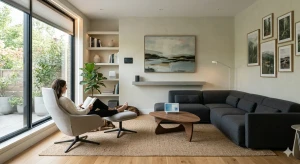
Significantly. Poor design choices can lead to constant frustration, inefficiency, and even affect your well-being. Consider a kitchen with an awkward layout: it slows down meal prep and makes entertaining a chore. A bedroom lacking proper storage becomes perpetually cluttered, impacting relaxation. A professional design consultant considers workflow, traffic patterns, lighting for various tasks, and the ergonomic comfort of furniture.
Material selection is another critical factor. A beautiful marble countertop might look stunning, but if it’s in a high-traffic family kitchen, its durability and maintenance requirements need careful consideration. Similarly, fabrics chosen for upholstery should align with the anticipated wear and tear. A design professional will guide you toward choices that balance aesthetics with practicality, ensuring your space isn’t just attractive today, but remains functional and beautiful for years to come. Our portfolio showcases diverse projects, including residential transformations that prioritize both form and function.
Even with the best intentions, projects can hit snags. Recognizing potential issues upfront can save you considerable stress and expense.
From our experience, several recurring issues surface:
First, unrealistic expectations regarding budget and timeline. Design, especially custom work, takes time. Quality materials and skilled labor aren’t cheap. Be prepared for both. Second, poor communication or withholding feedback. Your designer isn’t a mind reader. If you don’t like something, speak up early. It’s much easier to adjust a concept than to change a finished product.
Third, micromanaging the process or second-guessing every decision. You’ve hired an expert for their vision and knowledge. Trust their judgment, especially on technical aspects. Fourth, making impulse purchases outside the design plan. That “perfect” piece you found might derail the entire aesthetic or not fit the space as intended. Stick to the plan. Finally, ignoring the importance of contract details. Read your agreement carefully, understand the scope of work, payment schedules, and what happens if changes occur. Clarity upfront prevents disputes later.
Collaborating with a design expert should be an exciting and rewarding experience. By approaching it with clear communication, realistic expectations, and trust in your chosen professional, you’re well on your way to creating a space that not only looks incredible but truly feels like home.
Ready to embark on your design journey and transform your space? Connect with Jagya Designs today to discuss your project and discover how our expertise can bring your vision to life.
Get in Touch for a Consultation
A. Start by researching designers whose portfolios align with your aesthetic preferences and project scope. Look for specialists in residential design if that’s your need. Read client testimonials, check their professional affiliations, and schedule initial consultations with a few candidates. Pay attention to their communication style, process, and how well they seem to understand your vision and budget during these meetings.
A. An interior designer typically has formal education and training in areas like space planning, structural integrity, building codes, and advanced design principles. They can often alter structural elements, design custom pieces, and work closely with architects and contractors. An interior decorator primarily focuses on the aesthetic aspects, such as furniture, color schemes, fabrics, and accessories, working within the existing structure of a space.
A. Compensation models vary. Common methods include an hourly rate, a flat fee for the entire project, a percentage of the total project budget, or a combination. Some designers also work on a “cost-plus” model, where they charge a markup on furniture and materials purchased through their trade accounts. Ensure you understand the fee structure clearly before signing a contract.
A. Not necessarily. While having some inspiration or a mood board is incredibly helpful for communicating your taste, it’s not expected that you have every detail planned. A good designer will guide you through the process of articulating your style and functional needs. They’ll help refine your ideas, introduce new concepts, and source appropriate items that you might not have considered.
A. Many interior designers are happy to take on projects of varying scales. While some specialize in large-scale renovations or new builds, others offer services for single rooms, furniture selection, or even just color consultations. It’s best to inquire directly with the designer about the scope of projects they typically handle. Don’t assume your project is too small; a professional eye can make a significant difference even in a limited capacity.