

Many clients initially view interior design as a discretionary expense, a ‘nice-to-have’ rather than a foundational investment. They envision cushions, paint swatches, or a new rug. This perspective, while understandable, misses the profound, strategic value a professional brings. For significant renovations or new builds, engaging a professional Home Interior Designer is less about aesthetics and more about asset optimization, functional mastery, and long-term livability. It’s about designing a space that performs, not just one that looks good.
Deconstructing the ‘Decorator’ Myth: What a Professional Home Interior Designer Really Does
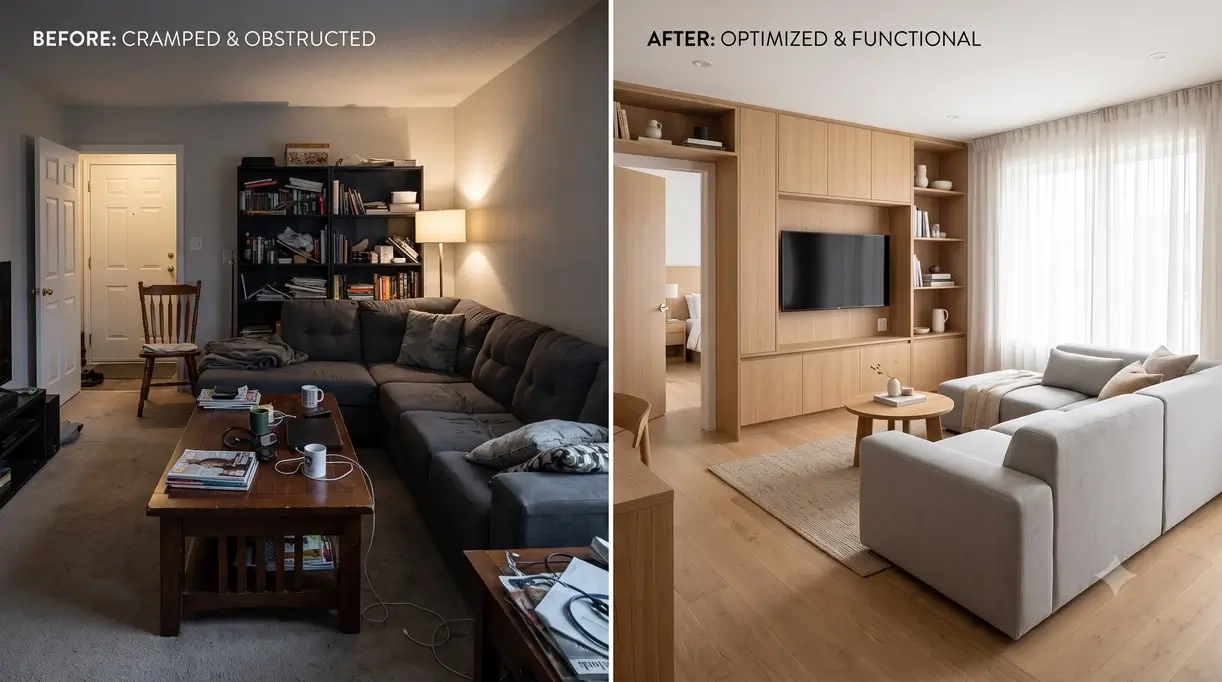
A decorator focuses on surface-level aesthetics, selecting finishes, furniture, and accessories. A professional Home Interior Designer operates on an entirely different plane, addressing fundamental spatial relationships, structural considerations, flow, light, and the intricate dance between utility and beauty. Our work often begins long before furniture is considered, sometimes concurrently with the architect.
An architect designs the shell; a competent interior designer crafts the organism within. We interpret blueprints, ensuring door swings don’t impede circulation, electrical outlets are functional, and built-in millwork integrates seamlessly. This involves complex problem-solving, rethinking how a kitchen functions for a family, how a home office adapts to hybrid work, or how an aging client navigates their space safely. This requires deep understanding of building codes, materials science, ergonomics, and construction methodologies. It’s a technical and artistic discipline. Honestly, most folks think it’s all about picking pretty pillows. They miss the structural heavy lifting.
Is hiring an interior designer actually worth the cost?
Design fees can seem substantial, a fair concern. Without a professional eye, you risk costly mistakes: ill-fitting furniture, unsuitable materials, or renovations that miss root issues. We’ve seen clients waste fortunes on trial-and-error, living with poor decisions because corrections are too expensive. Trust me, the ‘DIY until it breaks’ approach costs more in the long run. Every single time.
A designer’s value extends beyond avoiding pitfalls, offering sophistication, unexpected solutions, and seamless execution. We bring a network of trusted tradespeople, contractors, and artisans, understanding lead times, budgeting, and procurement logistics. This expertise translates into efficiency, saving time and stress. What seems an upfront cost is an investment preventing budget overruns, maximizing enjoyment, and enhancing property value. Well-designed homes command higher prices and sell faster.
The Unseen ROI: How Design Protects Your Investment
Beyond aesthetics, professional interior design offers strategic ROI. It’s not just curb appeal; it’s about structural soundness, material longevity, and future adaptability. Spending millions on a property means you wouldn’t skimp on the architect or structural engineer. Why treat the interior, your living space, differently? Thoughtful design considers a space’s entire lifecycle.
We approach projects understanding their asset potential. We specify durable, high-quality materials, reducing maintenance and update needs. We plan for future needs, like smart home integration or flexible spaces for growing families. This foresight is value engineering, meaning fewer headaches and a home that grows with you, not one that quickly dates. It builds equity in a resilient, intelligent home. Explore our insights on strategic interior design services for more on design’s impact on property values.
A well-designed interior isn’t just a pretty picture; it’s a meticulously engineered environment that enhances daily life and protects your most significant asset.
Can I manage a major renovation without a professional designer?
Technically, yes, you can. People do it all the time. But the question isn’t “can you,” it’s “should you,” and “at what cost?” Managing a major renovation is like project managing a small construction company: dealing with multiple trades, timelines, budgets, unforeseen issues, and daily decisions. Without a construction or design background, it’s easy to become overwhelmed, make poor decisions, and face significant delays and cost overruns.
We act as your advocate and central contact, translating your vision into actionable plans for contractors, suppliers, and artisans. We handle minutiae, from tracking custom orders to coordinating site visits. This frees you to focus on your life, not the renovation. Consider the psychological toll: a designer mitigates that, providing a buffer and a clear path through a chaotic experience.
Navigating Complexity: Your Project’s Strategic Navigator
Significant design projects often surprise clients with their complexity. It’s not just picking nice things; it’s integrating systems, adhering to timelines, and managing diverse professionals. A designer acts as your strategic navigator, bringing order to chaos, establishing clear communication, and setting realistic expectations.
Our role extends to meticulous project management: developing schedules, tracking budgets, anticipating roadblocks, and finding solutions. We’re skilled negotiators, often securing better pricing or terms with vendors due to our relationships and volume. This ensures momentum, quality control, and project alignment with vision and budget. Find more examples in our project portfolio.
How does a designer translate my vague ideas into a cohesive vision?
Here, design’s art and science merge. Clients often bring disparate images, feelings, or keywords like “calm,” “modern,” “cozy,” “sophisticated.” Our job is to synthesize these into a coherent, buildable narrative. It starts with deep listening and extensive questioning, exploring your lifestyle, routines, aspirations, and subtle frustrations with your current environment.
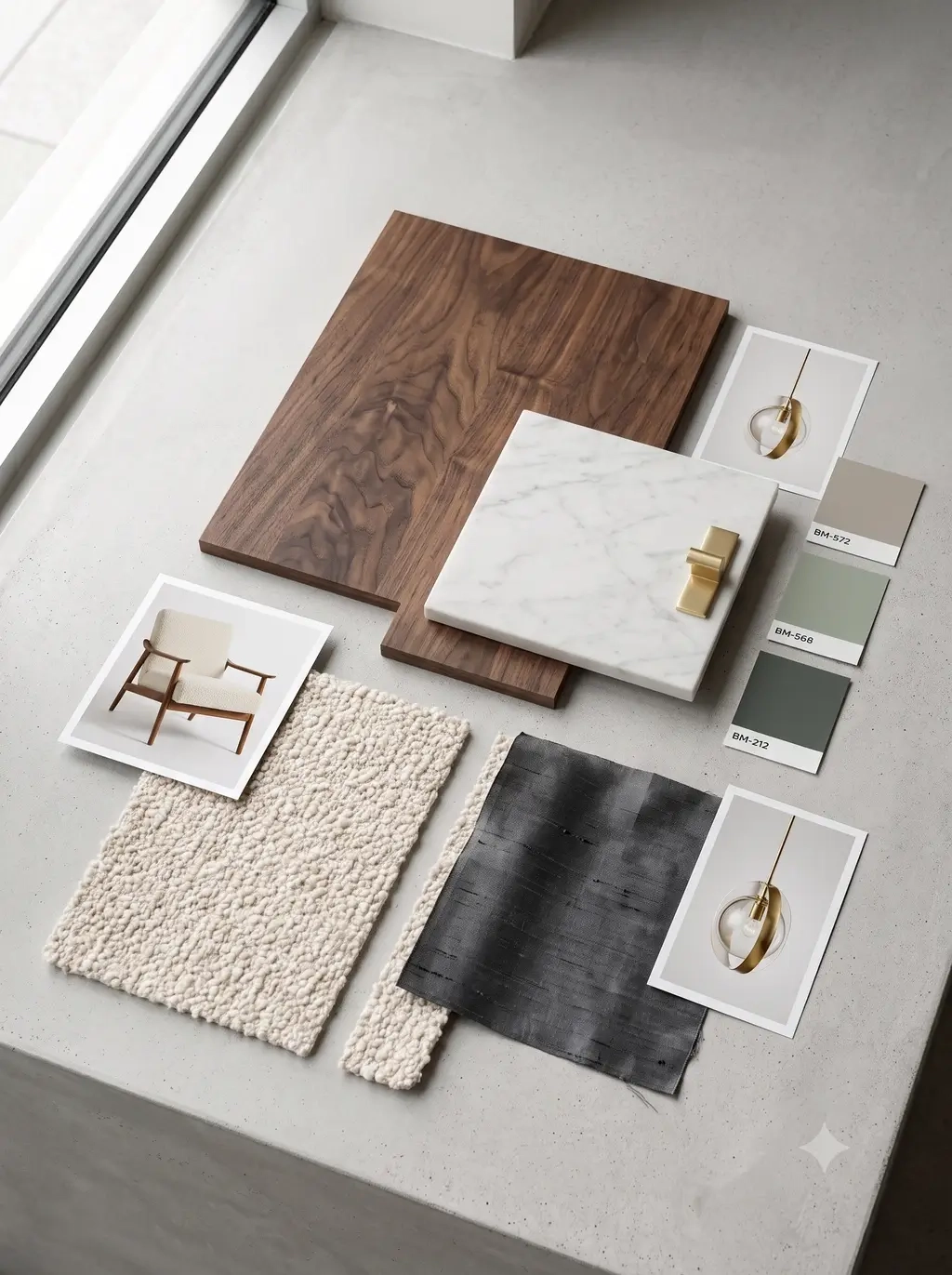
We then use expertise in spatial planning, materials, and aesthetics to propose solutions, presenting mood boards, 3D renderings, and detailed floor plans. We show how elements interact, how light plays, and how the design will feel. It’s a refinement process: we present options, gather feedback, and iterate until the vision is clear and resonant. We don’t impose style; we distill your essence into tangible, functional design, translating unspoken desires into built reality. It’s a bit like being a mind-reader, but with blueprints.
Crafting a Legacy: Beyond Trends, Towards Timelessness
While fleeting trends allure, strategic design transcends them. Our goal is enduring quality and timeless appeal, not seasonal fashion. This requires a discerning eye, deep design history knowledge, and commitment to classic principles of proportion, balance, and harmony. We guide clients towards choices that remain relevant and beautiful for decades, avoiding fads.
This timelessness protects your investment. A home designed with integrity, quality materials, and thoughtful aesthetics retains value and appeal better than one chasing transient styles. It becomes a legacy, a backdrop for life’s moments, not a space constantly needing updates. It creates authentic, lived-in, personal environments reflecting inhabitants’ unique character. This requires courage from both client and designer to avoid superficiality.
What’s the difference between an interior decorator and a designer?
This distinction is important and often misunderstood. An interior decorator focuses on aesthetic enhancement, working with existing structures to select furniture, fabrics, colors, lighting, and accessories for a specific look or mood. Their role is largely cosmetic, dealing with a room’s superficial layers.
An interior designer, by contrast, possesses a comprehensive, technical skill set. We often have formal education in architecture, design principles, building codes, and structural considerations. Our work involves space planning, layout optimization, custom millwork design, architectural finish specification, and overseeing plumbing, electrical, and HVAC system integration. We collaborate directly with architects and contractors from project inception, influencing a building’s very bones. The decorator beautifies what exists; the designer redefines what’s possible.
Investing in a professional interior designer isn’t an indulgence; it’s a calculated decision to optimize living or working environments. It leverages expertise to create beautiful, supremely functional, efficient, and lasting spaces. It’s an investment in peace of mind, quality of life, and your property’s enduring value.
Ready to move beyond mere decor and unlock the full strategic potential of your space? Connect with Jagya Designs today. Our team of experienced professionals is prepared to guide you through a thoughtful, integrated design process, transforming your vision into a reality that performs for years to come.
Frequently asked questions
How does an interior designer help with budgeting and cost control?
Designers establish realistic budgets early, covering all project phases. We leverage industry connections for trade discounts, manage procurement, and meticulously track expenditures to minimize surprises and keep projects financially sound.
What is the typical timeline for a comprehensive interior design project?
Timelines vary by scope. A small room refresh might take months; a full renovation or new build can extend 8-12 months or longer, especially with custom elements. We provide detailed project schedules outlining milestones and durations.
Can an interior designer work with my existing furniture or art collection?
Absolutely. Skilled designers integrate cherished existing pieces into new schemes. We assess belongings, identify what can be repurposed, reupholstered, or re-positioned, then design around these elements for a cohesive, intentional aesthetic.
How do interior designers ensure the final space reflects my personal style?
Through interviews, questionnaires, and visual references, designers understand your preferences, lifestyle, and aspirations. We translate these insights into concrete concepts, presenting options, gathering feedback, and refining the vision collaboratively until the space genuinely reflects your individuality.
What certifications or qualifications should I look for in a Home Interior Designer?
Look for designers with formal education in interior design or architecture. Professional certifications, like NCIDQ (National Council for Interior Design Qualification) in North America, signal high competency and industry standards. A strong portfolio and client testimonials are also key indicators of expertise.