

The Enduring Principles of Modernism: Beyond the White Box
Is “Form Follows Function” still the ultimate arbiter?
Can minimalism truly accommodate complex human needs?
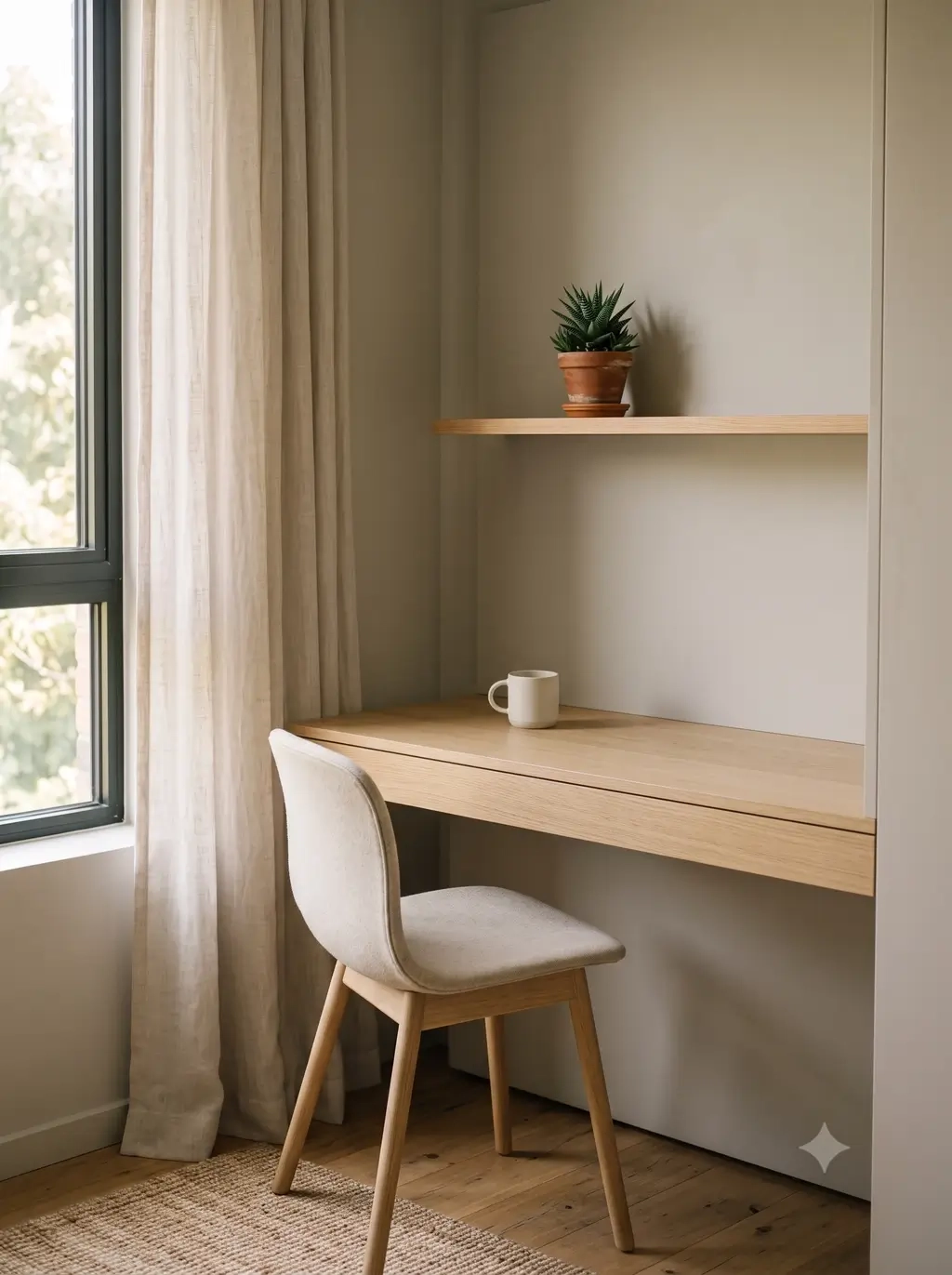
We often design “achievable minimalism,” where the aesthetic is clean, but infrastructure for storage, technology, and activities is robust and discreetly integrated. This requires meticulous planning: built-in cabinetry, hidden conduits, flexible furniture layouts, and a deep understanding of client living or working habits. It’s not designing an empty box; it’s designing a highly efficient, adaptable box that *appears* simple. The rigor involved in achieving that simplicity is often underestimated. We ask, “How can this space do more, with less visual noise?” It’s still a modern question.
Evolving the Blueprint: How Modern Architectural Principles Adapt to Tomorrow
How do we integrate new tech without sacrificing design integrity?
What role does contextual sensitivity play in a universalist approach?
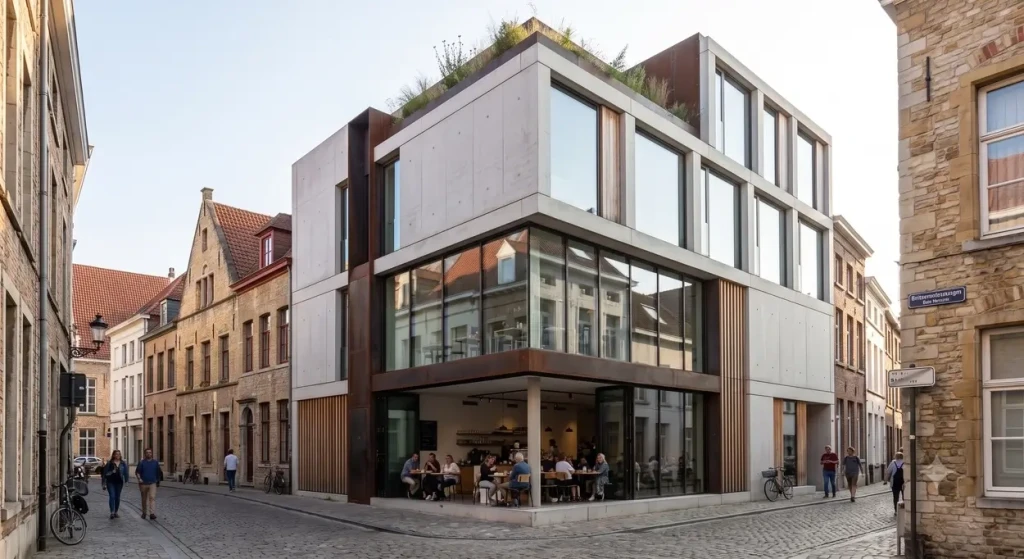
We’re not advocating for pastiche, but for thoughtful dialogue between new and existing. This means adapting material palettes to local availability, responding to prevailing winds for natural ventilation, respecting historical sightlines, or drawing abstract inspiration from vernacular forms. It means understanding zoning regulations and community expectations. It’s about designing buildings that feel *right* where they are, even if distinctly contemporary. This is where strategic thinking comes in: how do we push boundaries while still being good neighbors?
Client Vision and the Architect: Navigating Expectation Versus Reality
Is the “Modern” aesthetic always the most cost-effective?
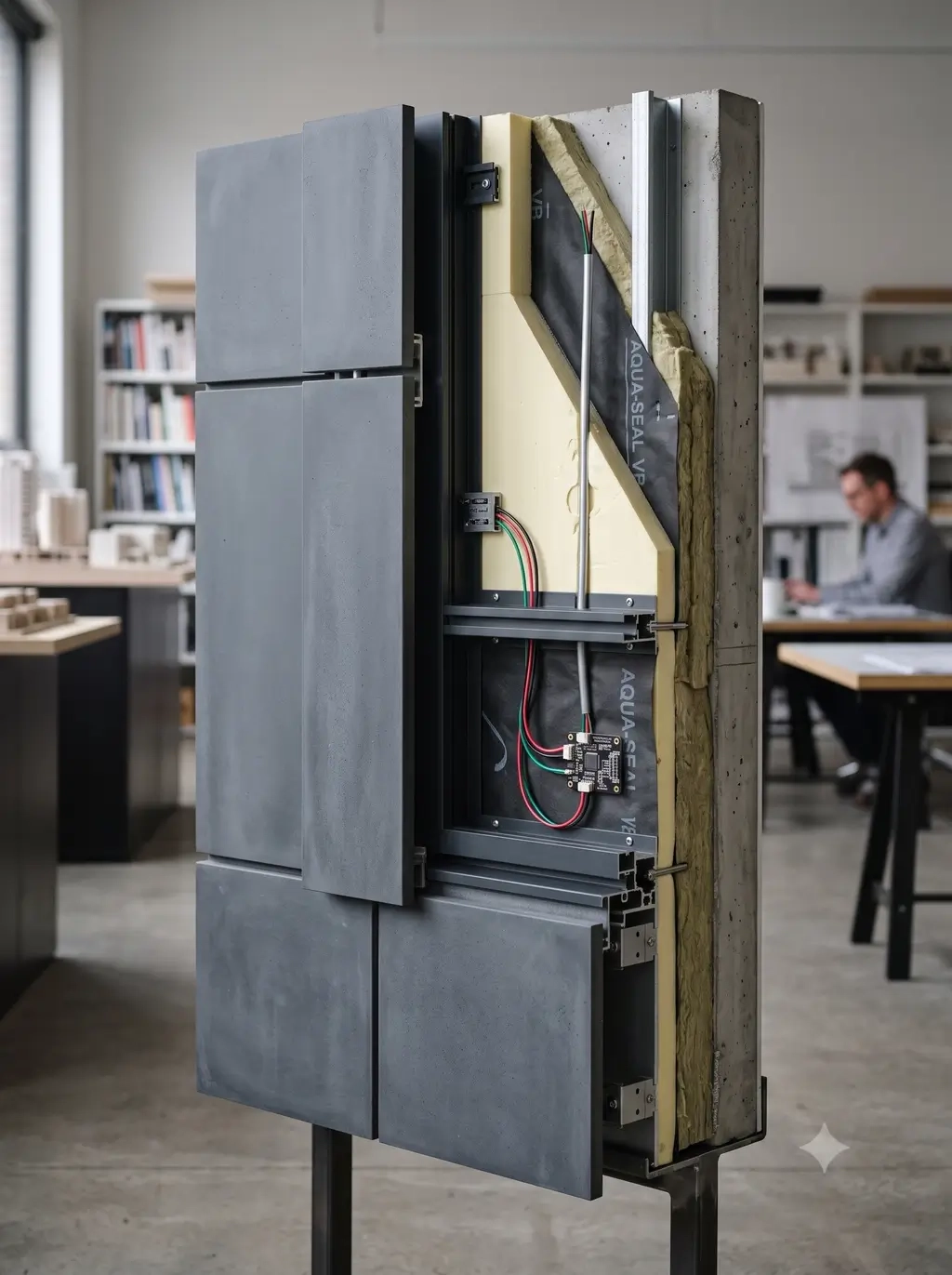
Similarly, large glass expanses require careful consideration of solar gain, thermal performance, and privacy, often leading to more expensive glazing systems or external shading devices. We must be upfront about cost implications, helping clients understand where their investment truly goes. It’s not about cutting corners for an aesthetic; it’s about making informed choices that deliver both the desired look and required performance. We believe in transparency when discussing these factors. Take a look at some of our completed projects to see how we balance design aspirations with practical constraints.
How do we sell long-term value over immediate trends?
The real power of Modern Architecture isn’t in its appearance alone; it’s in the robust framework it provides for intelligent problem-solving, a framework that remains indispensable for anyone serious about designing the future.
Ready to explore how these principles can shape your next project? Connect with Jagya Designs to discuss your vision and let’s build something truly future-forward together. Get in touch with us today.
Frequently asked questions
What distinguishes modern architecture from contemporary architecture?
Modern architecture refers to a specific historical movement and philosophy from the early to mid-20th century, characterized by principles like “form follows function,” minimalism, and material honesty. Contemporary architecture, conversely, describes current architectural styles and trends, which can be diverse and often incorporate elements from various periods, including modernism, without strict adherence to a single doctrine.
Why is material honesty a core modern architectural principle?
Material honesty emphasizes using materials in their natural state or exposing their inherent qualities, rather than disguising them. This principle reflects a rejection of ornate, decorative facades and aims for structural clarity and truthfulness in construction. It celebrates the intrinsic beauty and properties of concrete, steel, glass, and wood, aligning with the functionalist approach.
How does modern design address sustainability concerns today?
While early modernism didn’t explicitly focus on environmental sustainability as we understand it, its core principles of efficiency, minimalism, and structural integrity provide a strong foundation. Today, modern design integrates sustainable practices through passive design strategies, optimized energy performance, responsible material sourcing, adaptive reuse of existing structures, and smart building technologies to minimize environmental impact and maximize resource efficiency.
Can modern architectural principles be applied to renovations or additions?
Absolutely. Applying modern principles to renovations often involves stripping away unnecessary elements to reveal the essential structure, optimizing light and space, and introducing clean, functional forms that complement the existing building. It’s about creating a harmonious dialogue between the old and the new, often enhancing the original structure’s character through thoughtful, contemporary interventions.
What are the common challenges in designing a modern building today?
Challenges include achieving apparent simplicity while managing complex technical requirements, balancing minimalist aesthetics with client needs for comfort and storage, navigating high construction precision costs, integrating advanced sustainable technologies seamlessly, and ensuring contextual sensitivity within a design philosophy sometimes seen as universalist. It demands meticulous detailing, innovative problem-solving, and clear communication with clients and builders.